

Australia has long been one of the world’s top educational destinations, with strong enrolment growth driven by demand from International Students wanting to Study in Australia. However, recent trends signal a shift. Projections point to more modest growth in international enrolments for the rest of this decade. This is due in part to softening demand in key sending markets and compounded by policy disruptions over the last 18 months.
In this article, we’ll explore the current outlook for both International Students and Australian Institutions. We will explore the key factors driving slower growth, and the strategies International Students and Australian Institutions are looking to employ to stay competitive in the evolving global education market.
What Australia’s Low-Growth Outlook Means for International Students Wanting to Study in Australia?
 For decades, Australia has been one of the most attractive destinations for international students, offering high-quality education, diverse campuses, and post-graduation opportunities. But recent projections show a slowing of foreign enrolment growth through the rest of this decade. For students considering their academic future, this trend carries both challenges and opportunities.
1. Greater Competition for Places
With enrolment growth slowing, Australian universities may limit new intake numbers or become more selective in admissions. Students applying from major sending markets such as China, India, or Africa could face tougher entry requirements and higher competition for scholarships. This means prospective applicants will need to prepare stronger academic profiles, demonstrate English proficiency, and apply early to secure spots.
2. Emphasis on Employability
The slowdown is pushing institutions to differentiate themselves by focusing on graduate outcomes. For international students, this is positive news. Expect to see more programs integrating work placements, internships, and industry projects. Universities are working harder to align with labour market needs in healthcare, technology, engineering, and education. For students, this means a clearer pathway from classroom to career, with a stronger emphasis on job readiness.
3. Shifting Reputation Strategies
Australian universities are placing more weight on how employers, both in Australia and globally, perceive their graduates. Students may find new initiatives such as enhanced career services, alumni mentorship programs, and employer networking opportunities. This focus can help students not only secure local work during their studies but also leverage their qualifications in other countries.
4. Considering Alternatives
The slowing growth also underscores the reality of global competition. Canada and the UK despite strong efforts to curtail student inflows continue to expand international student numbers albeit in a measured manner. Asian hubs like Singapore, South Korea, Japan and Malaysia are also investing heavily in their own education sectors. Students should compare Australia’s offerings with these alternatives, balancing factors such as tuition, living costs, and post-study opportunities.
ImmigrationGurus.Ca are experts in Australian Education.

What Australia’s Low-Growth Outlook Means for Australian Institutions
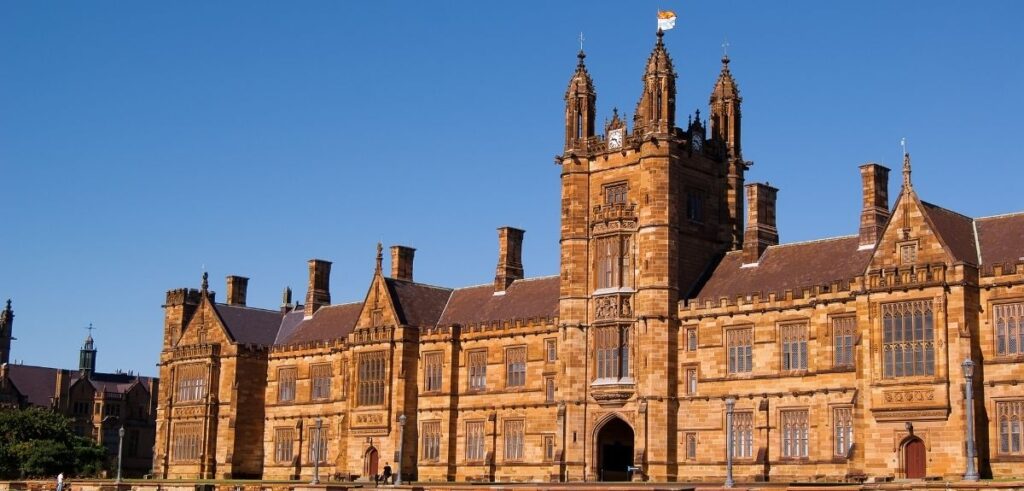 This new reality will require Australian universities and colleges to adapt strategically. The most effective response will be a renewed emphasis on graduate outcomes, closer alignment with labour market needs, and deliberate efforts to strengthen institutional reputations with employers both in Australia and abroad.
1. Why Study in Australia International Student Growth Is Slowing
Australia’s foreign enrolment sector has faced turbulence in recent years. Several factors explain the slowdown:
a) Softening Demand in Key Sending Markets
-
China and India, traditionally Australia’s largest student sources, have seen slower growth due to geopolitical tensions, alternative destinations, and economic pressures.
-
Emerging markets in Africa and Southeast Asia are showing interest, but growth is not yet large enough to offset declines in traditional markets.
b) Policy Disruptions Over the Last 18 Months
-
Frequent changes to student visa rules have created uncertainty.
-
Caps on working hours, financial proof requirements, and shifting post-study work rights have influenced decision-making for prospective students.
-
Competitor destinations such as Canada, the UK, and Germany are seen as offering clearer pathways to employment and residency.
c) Global Competition Intensifying
-
Other English-speaking destinations are aggressively recruiting international students.
-
Regional hubs in Asia (e.g., Singapore, South Korea, Japan and Malaysia) are offering competitive programs closer to home for many students.
FURTHER READING: Asian Destinations Shine in Latest Global Student City Rankings.
2. What the Outlook Means for Australian Institutions
With growth slowing, institutions cannot rely solely on rising enrolments to maintain revenue and rankings. Instead, the focus will shift toward:
-
Enhancing graduate employability to attract career-driven students.
-
Aligning programs with labour market needs, ensuring relevance and long-term value.
-
Building stronger reputations with both local and international employers.
This shift represents not just a survival strategy, but an opportunity to enhance Australia’s value proposition as a study destination.
3. Aligning with Labour Market Needs
The future of Australia’s international education will depend on how well institutions align with national and global labour demands.
a) Targeting Skills Shortages
-
Australia faces shortages in healthcare, technology, engineering, and education.
-
Institutions that design programs to fill these gaps will not only support the economy but also appeal to international students who want employability. Expect more courses to be approved in the above educational streams.
b) Industry Collaboration
-
Joint initiatives between universities and industries will create tailored courses.
-
Industry certification within degree programs will add value for graduates entering competitive job markets.
c) Flexible and Lifelong Learning
-
Micro-credentials and short courses will appeal to students seeking specific career upgrades.
-
International students may seek to combine traditional degrees with skills-based training for a competitive edge.
5. Strengthening Employer Reputation
Reputation remains a powerful driver of international enrolment. Students are influenced not just by rankings but by how employers perceive the institution.
a) Domestic Employer Partnerships
-
Universities will strengthen ties with Australian employers to build pipelines for internships and graduate hiring.
-
Positive employer feedback will also enhance the institution’s standing among prospective students.
b) Global Employer Engagement
-
Alumni networks abroad may be leveraged to connect graduates with international opportunities.
-
Future collaboration with multinational firms could help position Australian degrees as globally competitive.
c) Branding Beyond Rankings
-
Reputation campaigns will emphasize graduate employability, research excellence, and real-world impact, not just academic prestige.
6. Opportunities Amid Slower Growth
While growth may be slower, opportunities remain strong if institutions adapt wisely:
-
Diversification of Markets: Expanding recruitment in Africa, Latin America, and Southeast Asia can reduce dependence on China and India.
-
Regional Hubs: Partnering with offshore campuses or joint programs in Asia-Pacific nations could create new pipelines.
-
Digital Learning: Expanding hybrid and online options can attract students who cannot relocate full-time.
ImmigrationGurus.Ca are experts in Australian Education.
Study in Australia – Key Takeaways

-
Growth will be more modest in Australia’s international education sector through the rest of the decade.
-
Institutions will likely adapt by prioritizing graduate outcomes, labour market alignment, and employer reputation.
-
Students will increasingly choose destinations based on career opportunities and industry relevance, not just location or rankings.
-
With proactive adaptation, Australia could remain a leading global study destination.
Study in Australia Bottom Line
 For international students, Australia’s low-growth outlook is not a reason to rule the country out. Instead, it signals a shift toward quality over quantity. Those who choose to study in Australia may benefit from institutions increasingly focused on employability, stronger ties with industry, and enhanced reputations with employers worldwide. For students seeking not just a degree but a pathway to meaningful careers, this could be a turning point in Australia’s favor.
ImmigrationGurus.Ca are experts in Australian Education.